

Flaws That Drive Plot
Main Street Writes Group Discussion — Originally presented May 11, 2026
Every interesting character has flaws.
They’re stubborn, impatient, arrogant, insecure, impulsive, overly trusting, or perhaps unwilling to trust anyone at all.
But here’s something worth considering:
Does your character’s flaw actually affect the story?
It’s easy to give a character a collection of personality traits that make them seem more human. But if those traits never influence their decisions, damage their relationships, or create meaningful consequences, are they really doing much work?
In this week’s writers’ group discussion, we’re exploring how character flaws can become something much more important than personality details.
They can become the very things that drive the plot.
1. Core Idea: A Flaw Should Create Problems
A character flaw shouldn’t just be personality decoration.
A meaningful flaw creates consequences.
Consider a character who’s described as stubborn.
That’s fine.
But what does their stubbornness actually do?
Does it prevent them from asking for help?
Cause them to ignore good advice?
Damage a friendship?
Lead them into a situation they could easily have avoided?
If their stubbornness never changes anything, then it’s not contributing much to the story.
The same goes for pride, insecurity, jealousy, fear, or any other flaw we assign to our characters.
If the flaw never costs the character anything, it may not be a meaningful flaw. It’s just flavor text.
A strong character flaw should be capable of creating conflict, influencing decisions, damaging relationships, or making the character’s goals harder to achieve.
And ideally, those consequences should matter.
2. The Connection to Wants vs. Needs
In our previous discussion, Wants vs. Needs, we explored the difference between what a character consciously pursues and what they actually need to recognize or change.
Now let’s add a third element.
The flaw.
Imagine a character who desperately wants to become a great leader.
Their want is to earn command of an army.
Their need is to learn humility and trust the people around them.
Their flaw is pride.
Now we have something interesting.
Their pride causes them to dismiss good advice.
They refuse to delegate.
They underestimate an opponent.
Perhaps they make a disastrous decision because admitting uncertainty would make them appear weak.
Suddenly, the character’s flaw isn’t just a personality trait.
It’s creating the very obstacles that stand between the character and their goal.
And those obstacles may eventually force the character to confront the thing they need to change.
3. Plot Should Come From the Character
There’s an important distinction between two approaches to creating conflict.
In one version, unfortunate things simply keep happening to the protagonist.
Enemies appear.
Plans fail.
Obstacles arise.
The character reacts.
That can certainly produce an entertaining story.
But there’s another possibility.
What if the character’s own decisions are creating some of those problems?
Imagine a detective who refuses to trust anyone.
An ordinary plot might introduce an unexpected betrayal that complicates the investigation.
But what if the detective’s refusal to trust their partner causes them to withhold critical information—and that decision allows the criminal to escape?
Now the problem isn’t merely something that happened to the character.
It’s something the character helped create.
And that makes the consequences far more personal.
The strongest conflicts often emerge from the choices characters make because of who they are.
4. Flaws That Drive Famous Stories
Some of the most memorable characters in fiction demonstrate this beautifully.
Anakin Skywalker — Star Wars
Want: Protect the people he loves.
Need: Accept loss and recognize that he cannot control everything.
Flaw: Fear of loss, possessiveness, and an obsession with control.
Anakin’s downfall isn’t simply the result of an evil character manipulating him.
His fear makes that manipulation possible.
After losing his mother, he becomes increasingly desperate to prevent the people he loves from suffering the same fate.
That desperation leads him to secrecy, distrust, and increasingly terrible decisions.
The tragedy is that his desire to protect someone ultimately helps bring about the very destruction he fears.
His flaw doesn’t merely complicate the plot. It creates much of the tragedy.
Severus Snape — Harry Potter
Want: Protect Harry and help bring about Voldemort’s defeat.
Need: Confront the bitterness and unresolved grief that continue to shape his life.
Flaw: Resentment and an inability to let go of the past.
Snape is fascinating because his admirable actions and his personal flaws coexist.
He takes extraordinary risks in the larger struggle against Voldemort.
But his resentment toward James Potter profoundly affects the way he treats Harry.
His bitterness creates conflict, obscures his intentions, and shapes how other characters—and readers—perceive him.
He doesn’t simply become a better person and leave all his flaws behind.
And that’s part of what makes him interesting.
A character doesn’t necessarily have to overcome a flaw for that flaw to be important to the story.
Boromir — The Lord of the Rings
Want: Save Gondor from destruction.
Need: Recognize the danger of power and accept that he cannot use the Ring to accomplish his goals.
Flaw: Pride, desperation, and the belief that he can control something others cannot.
Boromir isn’t motivated by simple greed.
He genuinely wants to protect his people.
That’s what makes his temptation understandable.
He believes the Ring could become a weapon against Sauron.
And because his intentions are honorable, he convinces himself that using it would be justified.
His desperation ultimately leads him to attempt to take the Ring from Frodo.
That decision fractures the Fellowship at a critical moment.
His flaw creates a choice. The choice creates a consequence. The consequence changes the story.
Walter White — Breaking Bad
Want: Initially, to provide financial security for his family.
Need: Confront his wounded pride, insecurity, and growing hunger for recognition and control.
Flaw: Pride and an increasing inability to accept anything less than being the person in charge.
Walter White is a particularly interesting example because his stated motivation initially seems understandable.
He’s a struggling teacher facing a terminal cancer diagnosis who wants to leave something behind for his family.
But as the series progresses, his decisions reveal something deeper.
Opportunities arise that could help him without requiring him to continue down his destructive path.
Yet he repeatedly chooses options that preserve his pride and sense of importance.
His flaws create enemies, destroy relationships, and push him into increasingly dangerous situations.
Eventually, the very thing he claims to be protecting suffers enormously because of his choices.
The plot is driven not simply by what Walter wants, but by what his flaws won’t allow him to accept.
5. Same Scene, Two Versions
Let’s look at a simple example of how a character flaw can affect a scene.
Version A: The Flaw Exists, but Doesn’t Matter
“You should ask for help,” Maya said.
“I’m fine,” Ethan replied.
“Okay.”
We’re told Ethan is stubborn and independent.
But nothing happens because of it.
Maya accepts his answer.
The conversation ends.
The flaw hasn’t created conflict or consequences.
Version B: The Flaw Drives the Conflict
“You should ask for help,” Maya said.
Ethan kept wrapping the wound himself. “I said I’m fine.”
“Your hand’s shaking.”
“Then stop looking at it.”
She reached for the bandage.
He shoved her hand away.
The half-tied dressing slipped loose. Blood dripped onto the floorboards.
Maya stepped back.
This time, she didn’t offer to help.
Now the flaw matters.
Ethan’s refusal to rely on someone else has made his injury worse.
He’s also damaged his relationship with Maya.
And perhaps the next time he genuinely needs her help, she won’t be quite so willing to offer it.
One character flaw has created physical, emotional, and potentially future consequences.
That’s how character development begins to influence plot.
6. When a Strength Becomes a Weakness
Here’s something else worth considering.
Sometimes a character’s greatest flaw is simply one of their strengths taken too far.
Confidence becomes arrogance.
Caution becomes paralysis.
Independence becomes isolation.
Loyalty becomes blindness.
A character might survive the opening chapters precisely because they’re exceptionally cautious.
They recognize danger.
They think ahead.
They avoid unnecessary risks.
But what happens when the story reaches a moment that demands courage?
Suddenly, the very quality that kept them alive may prevent them from doing what needs to be done.
This creates an especially satisfying kind of character arc.
The character doesn’t need to abandon everything that makes them who they are.
They need to recognize when a familiar strength has become a liability.
And that realization can be the turning point of the entire story.
7. A Quick Writing Exercise
Choose one of your characters and answer four questions:
- What’s their biggest flaw? Not simply an interesting trait, but something that genuinely limits them.
- How does that flaw make situations worse? What decisions does it cause them to make?
- What problems has the flaw directly created? Can you point to a specific scene or consequence?
- What happens if the character never changes? What might they ultimately lose?
If you struggle to answer these questions, the flaw may not be connected tightly enough to your plot.
Now try something practical.
Find a scene where your character encounters a problem.
Ask yourself:
Could their flaw make this situation even worse?
Perhaps they refuse help.
Perhaps they lie rather than admit a mistake.
Perhaps they become so determined to prove themselves that they take an unnecessary risk.
You don’t need to invent an entirely new conflict.
Sometimes the most effective way to strengthen a scene is to allow the character’s existing personality to complicate it.
8. The Real Power of Character Flaws
A meaningful character flaw does more than make a protagonist interesting.
It can generate scenes almost automatically.
Pride leads to an argument.
The argument damages a friendship.
Without that friend’s help, the protagonist makes a terrible decision.
That decision creates a new obstacle.
And now the character must decide whether to continue behaving the same way—or finally acknowledge the problem.
Notice how one flaw can create an entire chain of events.
This connects directly to our previous discussions about scene structure, dialogue, and character motivation.
Start Late, Leave Early helps us identify the most effective moments to enter and exit a scene.
Every Scene Needs a Turn reminds us that something meaningful should change.
Dialogue That Isn’t Small Talk explores how tension and subtext reveal the things our characters are trying to avoid.
Wants vs. Needs identifies the conflict between what characters pursue and what they must learn.
And now:
Flaws That Drive Plot shows us how a character’s own weaknesses can create the conflicts that move the story forward.
Closing Thought
The next time you’re working on a character, don’t stop at deciding that they’re proud, jealous, insecure, reckless, or stubborn.
Ask what those qualities actually cost them.
Do their flaws create problems?
Damage relationships?
Lead them into mistakes they might otherwise have avoided?
Force them to confront uncomfortable truths?
And most importantly:
Would the story unfold differently if this character didn’t have that particular flaw?
If the answer is yes, then you’ve probably created something meaningful.
Because ultimately:
A strong plot doesn’t just test a character’s strengths. It exposes their weaknesses—and makes them pay for them.
Related Discussions
Wants vs. Needs — Originally shared May 4, 2026
Before exploring how flaws drive a story, it helps to understand the difference between what a character wants and what they actually need.
In Wants vs. Needs, we discuss how those competing motivations create internal conflict and give characters meaningful journeys.
Every Scene Needs a Turn — Originally shared April 20, 2026
A character’s flaws can create some of the most powerful turning points in a story. In this earlier discussion, we explore how meaningful changes within a scene create momentum and keep readers engaged.
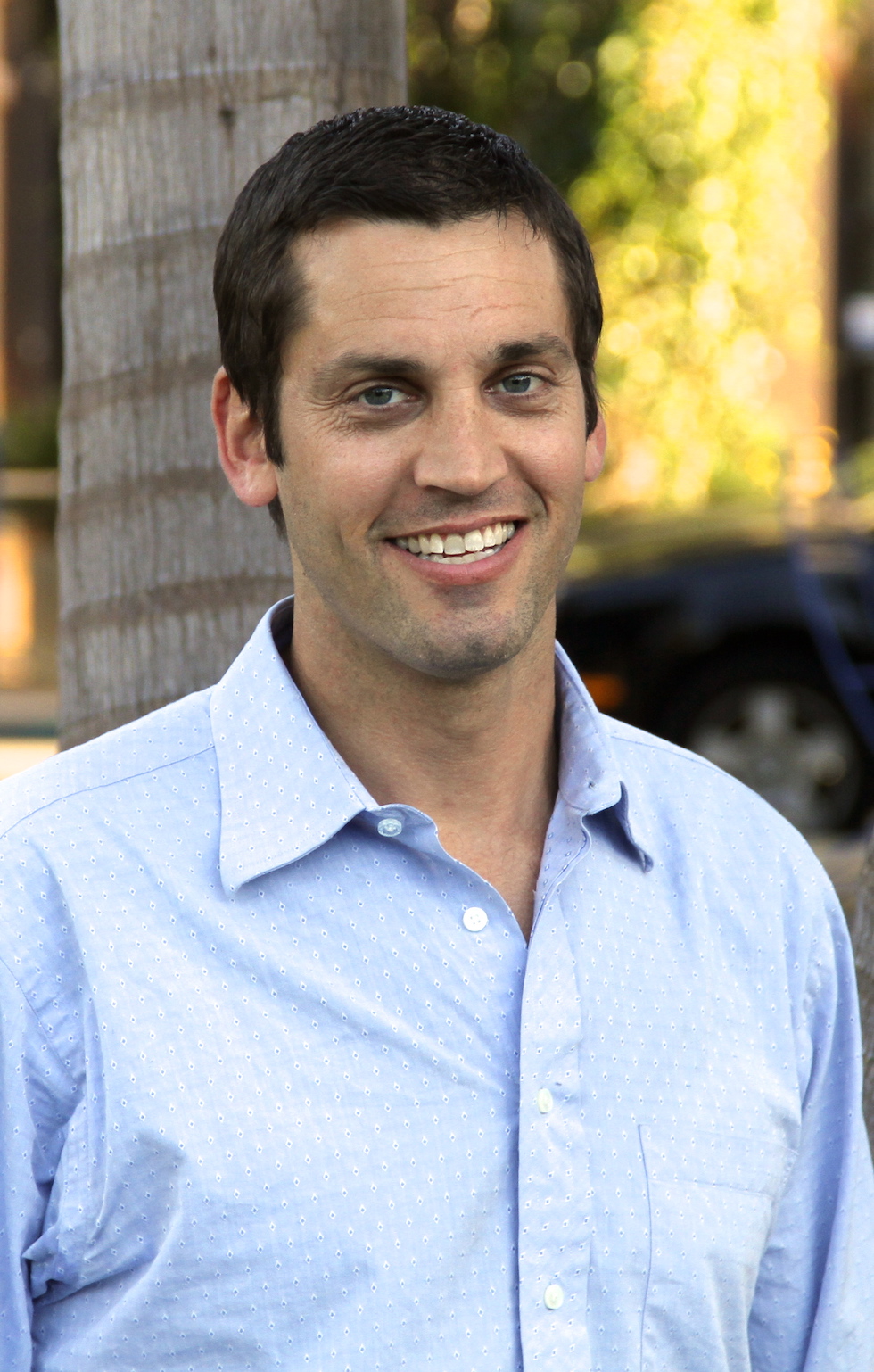 Scott Boyer grew up in Santa Monica, CA and still resides in the Los Angeles area. Graduating from the Haas School of Business at UC Berkeley in 1996, he started writing Bobby Ether And The Academy with the goal of blending YA fantasy with spiritual fiction. Nowadays, Scott splits his time between helping his father manage an insurance brokerage, playing with his Shepherd-mix rescue dog Patch, and writing other adventures in the Bobby Ether series.